
In global development, few professionals have seen the system from as many vantage points as Hermina Johnny. A former United Nations specialist in partnerships, sustainable development, and gender equality, Johnny built her career navigating complex institutions designed to shape the future.
But it was a simple, recurring question—one she found herself asking in meeting after meeting—that ultimately changed her path:
Where are the women and youth?
“I sat in rooms focused on solutions for women and young people,” Johnny says. “Yet they were often missing from the decision-making spaces themselves.”
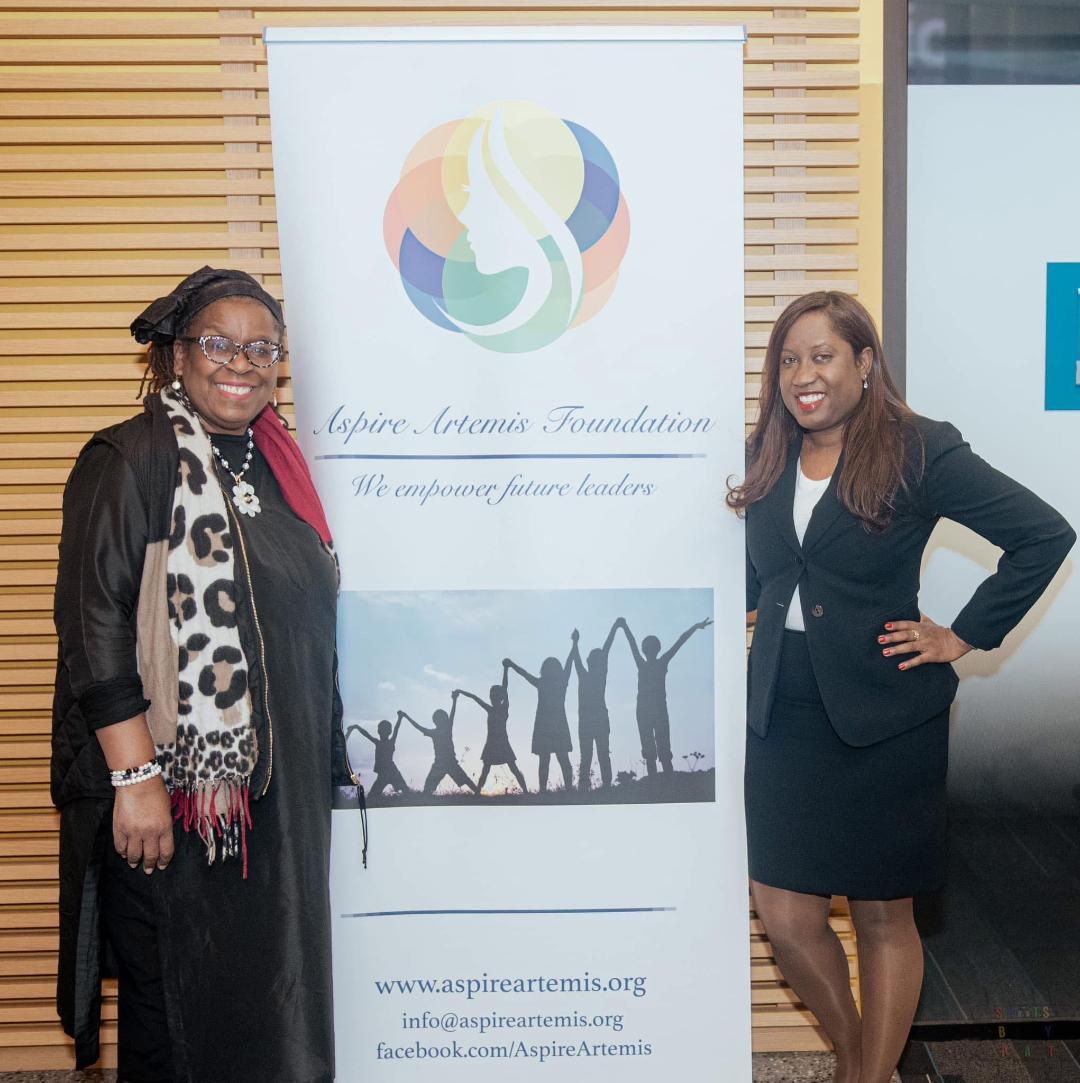
That disconnect—between intention and inclusion—became the catalyst for Aspire Artemis Foundation, the global nonprofit she founded to bridge the gap between policy and access.
From Global Frameworks To Ground-Level Impact
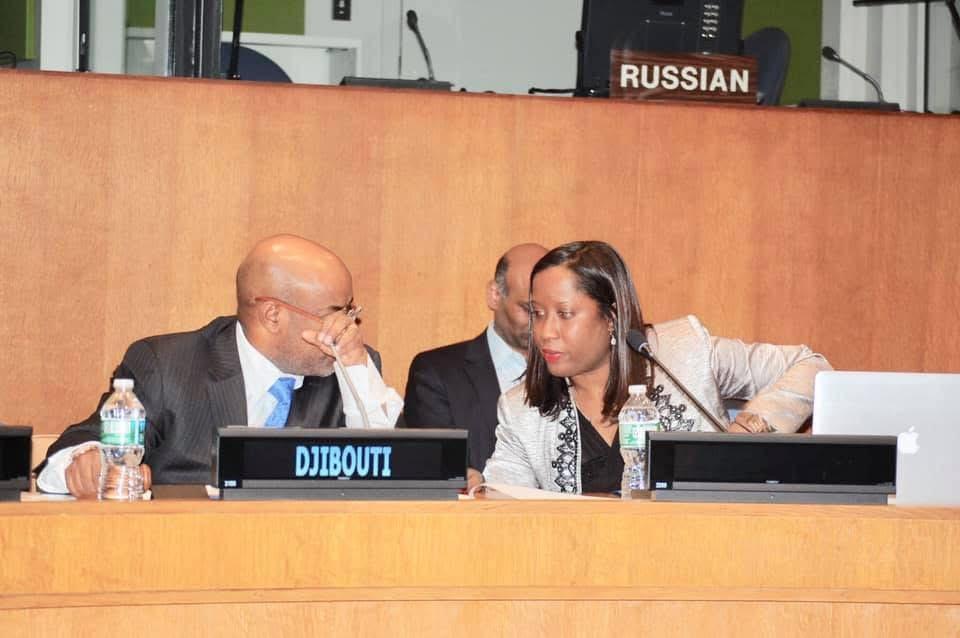
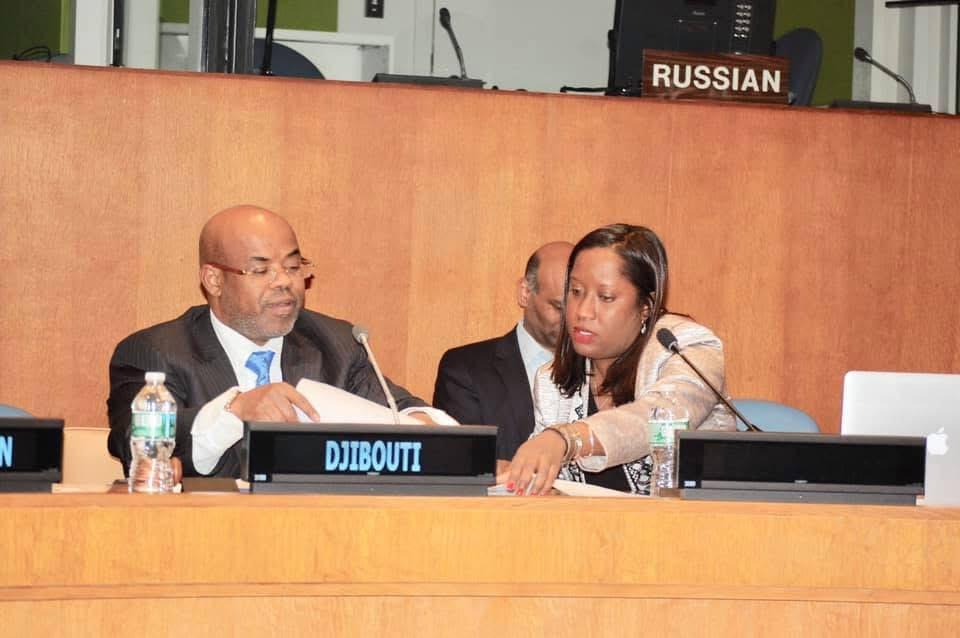
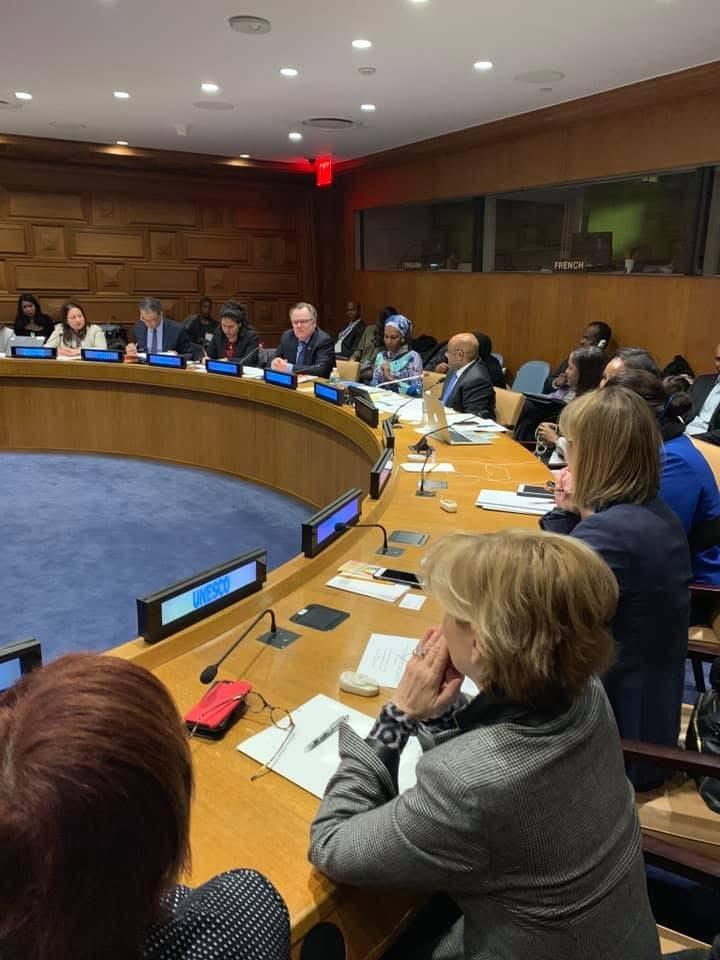
Johnny’s work across the UN system, the European Parliament, and international organizations placed her at the center of high-level coordination on issues ranging from climate change to human rights.
Her mandate was clear: build partnerships and design solutions.
But over time, she began to see a structural flaw.
“Too much of the system is built around conversation,” she says. “Not enough is built around access.”
Despite widespread commitments to gender equality—including global targets for parity by 2030—Johnny observed that representation in leadership remains uneven, particularly for women and youth from underserved communities.
Her response wasn’t to push for incremental reform—it was to build a parallel pathway.
Building A Pipeline, Not Just A Platform
Aspire Artemis Foundation operates at the intersection of education, workforce development, and innovation—with a focus on underserved youth, especially girls and communities across the Global South.
Its mission is both ambitious and pragmatic: equip, empower, and educate the next generation of leaders in a digital economy that is rapidly leaving many behind.
“At Aspire Artemis, we don’t just talk about opportunity—we structure it,” Johnny explains.
The organization delivers programming across STEAM (Science, Technology, Engineering, Arts, and Mathematics), combining technical training with mentorship, leadership development, and real-world exposure. Its initiatives range from AI and digital literacy to entrepreneurship, policy engagement, and cultural innovation.
Central to its model is what Johnny calls the EMI framework—Educate, Mentor, Intern—a three-part system designed to move young people from potential to placement.
“We’re not just preparing young people to participate in the future,” she says. “We’re preparing them to shape it.”
The Mentorship Gap—and Why It Matters
One of Johnny’s key insights is that talent is universal—but access is not.
“Mentorship is one of the most underestimated drivers of success,” she says. “It’s often the difference between someone seeing a possibility and actually achieving it.”
For many young people, particularly in underserved communities, that access is limited or nonexistent.
“In places where youth unemployment is high, internships and unpaid opportunities are not realistic options,” she notes. “You can’t build a career pathway if you’re focused on survival.”
Aspire Artemis addresses this gap by connecting young people with global mentors, creating pipelines into industries where representation has historically been low.
The model is already showing results—from students gaining international exposure to young leaders advancing into professional roles and leadership positions.
Rethinking Women’s Leadership In The Digital Economy
Johnny is particularly focused on the future of work—and who gets left out of it.
In the tech sector, the disparities are stark: only 2% of venture capital funding goes to women-led startups, with even fewer resources reaching women in developing markets.
“That’s not a pipeline problem—it’s an access problem,” Johnny says.
Her solution is to rethink how talent is identified, trained, and supported—starting earlier and scaling faster.
Aspire Artemis integrates arts and creativity into STEM, promoting a more holistic approach to innovation—one that prioritizes emotional intelligence, cultural awareness, and human-centered design.
“The future of technology isn’t just about code,” she says. “It’s about context. It’s about who is building—and who it’s being built for.”
Why Representation Requires Action—Not Rhetoric
While global conversations around diversity and inclusion have gained traction, Johnny is clear-eyed about what’s still missing.
“We’ve moved past awareness,” she says. “Now it’s about execution.”
That includes measurable commitments to representation across business, government, and industry—and a broader cultural shift in how leadership is defined.
She also emphasizes the role of men in accelerating change.
“The most effective progress happens when men are active participants in advancing gender equality—not just observers.”
A Founder’s Mindset: Resilience, Speed And Vision
Johnny’s leadership style reflects the environments she’s worked in: fast-moving, high-pressure, and outcome-driven.
Her guiding principle?
“Think of yourself as falling into oncoming traffic—get up, dust yourself off, and move forward at great speed.”
It’s a mindset rooted in resilience—but also urgency.
In a world shaped by rapid technological change, Johnny believes the cost of inaction is too high.
“We can’t afford to wait for systems to evolve,” she says. “We have to build new ones.”
The Bigger Picture: Inclusive Innovation At Scale
With a growing global network of partners spanning governments, corporations, and multilateral institutions, Aspire Artemis is scaling its impact while maintaining a focused mission: create equitable access to opportunity in the digital age.
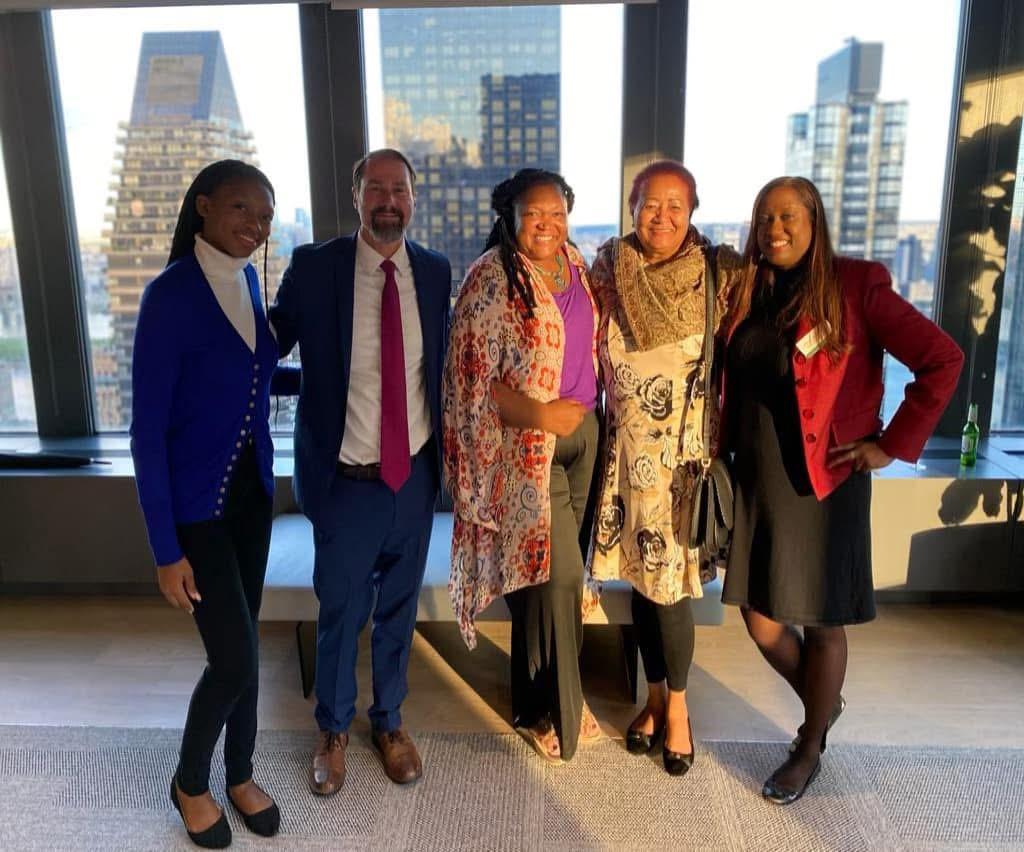
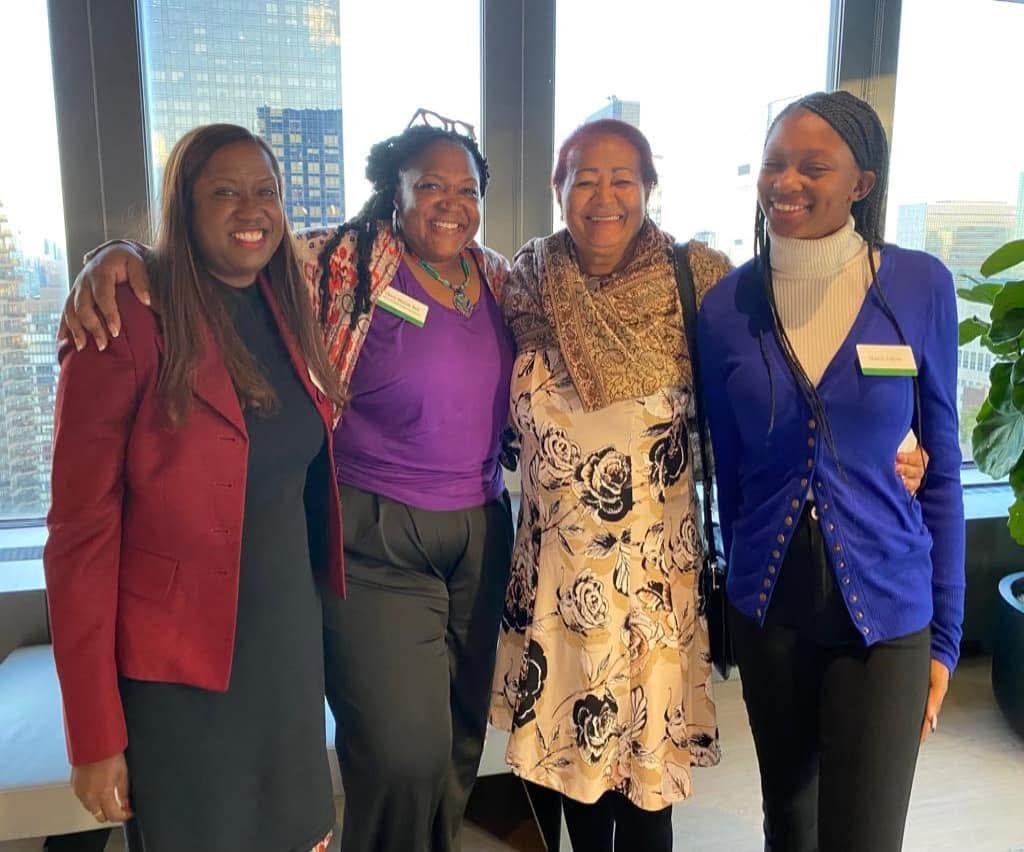
Its flagship initiatives—including high-level summits held during the United Nations General Assembly—bring together policymakers, technologists, and young leaders to drive cross-sector collaboration.
But for Johnny, the real measure of success isn’t attendance—it’s outcomes.
“We’re creating pathways,” she says. “Real, tangible pathways for people who have historically been excluded from them.”
The Bottom Line
Hermina Johnny isn’t just building an organization—she’s building infrastructure for inclusion.
Her work sits at a critical intersection: where global policy meets local reality, and where the future of work will be defined not just by innovation—but by who has access to it.
“We don’t just want young people to have a seat at the table,” she says.
“We want them to build the table.”
About Hermina Johnny
Hermina Johnny is a humanitarian and global development leader specializing in gender equality, human rights, and sustainable development. She has worked across the United Nations system, the European Parliament, and the International Organization for Migration, as well as in the private sector.
She is the Founder of Aspire Artemis Foundation, a global nonprofit advancing equity through STEAM education, mentorship, and inclusive innovation.


 Trisomy 18, Edwards Syndrome Takes the Life or Baby Marita – Her Mom creates Marita Brings Life Foundation thin 2 ours with a max. Life expectancy of 2 days This was her at 2 days old, alive and kicking.