
Listen to “SCIENCE SHEDS LIGHT ON THE CHALLENGES OF WORSENING SYMPTOMS FOR MANY” on Spreaker.
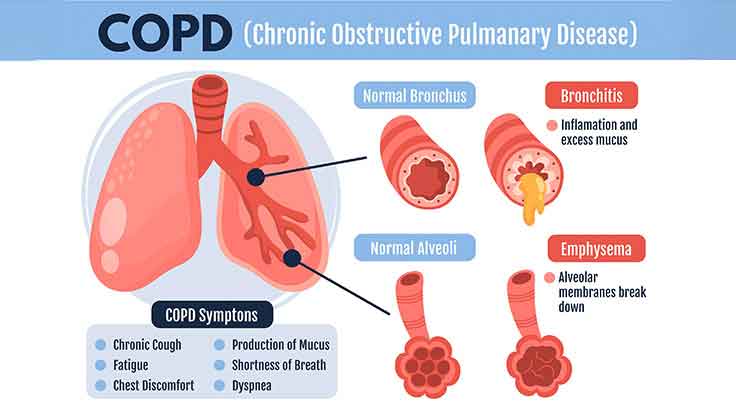
Living with chronic obstructive pulmonary disease (COPD) can feel like a constant struggle – a life that may be disrupted by debilitating flare-ups and fear of hospitalization.
Impacting more than 14 million adults, COPD is a progressive disease that damages the lungs and airways making it difficult to breathe. And sadly, it’s a leading cause of death in the U.S.
Here’s the frustrating truth: even with daily maintenance inhalers, nearly half of patients still have dangerous symptom flare-ups, also known as exacerbations. These flare-ups aren’t just inconvenient, they can lead to more frequent and severe flare-ups, and a high risk of hospital admission. Just one flare-up increases the likelihood of recurrent flare-ups and related hospital admissions. Why are these flare-ups so persistent?
Evolving science has shown a critical piece of the puzzle: eosinophilic inflammation. This type of inflammation (swelling) in the lungs can be a driver of COPD symptoms, especially for those who experience frequent flare-ups.
What to know: Including a blood eosinophil test in routine screenings, combined with a doctor’s evaluation and diagnostic tools, can help identify if eosinophilic inflammation is making COPD worse. By understanding an underlying cause of flare-ups, a doctor can develop a targeted treatment plan to manage COPD and potentially reduce the frequency of exacerbations.
Alexis Smith, DO, Pulmonary Disease will discuss the challenges facing those living with COPD to help manage COPD and try to break the cycle of flare-ups.
Interview courtesy: GSK
#COPD #chronicobstructivepulmonarydisease #AlexSmith #GSK

 UN International Day of Peace 2025, September 21, Expands to a Global Weekend To Pause the World for Peace Worldwide, Moment/Meditative Minute of Silence, Plant Peace Pole Virtually/Physical at Noon in 24 Regions (Time Zones). A World Cease Fire, Peace Acts, Unity, Music, & Climate Week Action. New York City Leads the Call.