 Lindsay Doran is a highly successful Hollywood movie producer. With a string of hits to her name that includes Sense and Sensibility, The Firm, Sabrina, Stranger than Fiction and Nanny McPhee, even some of her “misses” could be considered hits. In October of this year, I was fortunate enough to hear her speak at the Austin Film Festival on a panel entitled “The Soul of Story.” She spoke passionately for 90 minutes without so much as a sip of water or a glance at her notes. You could hear a pin drop in the room.Doran became interested some years ago in the “Positive Psychology” movement pioneered by Martin Seligman. In his book Flourish, Dr. Seligman identifies five particular qualities that he says make life worth living: Positive emotions, engagement, positive accomplishments, positive relationships and meaning. To her great surprise, Doran found these to be the exact same things that she considers to be essential ingredients of a good movie. Her research led her to the American Film Institute’s list of the 100 most inspirational movies where she broke down the emotional components of our favorite movies in order to test her hypothesis. And what she found surprised her.
Or consider the example of Rocky (the original). A much beloved classic about a washed up boxer who goes 15 rounds with the heavyweight champion of the world. It’s number 4 on the AFI’s list of most inspirational movies of all time. It also took home three Oscars that year, including one for best picture. But what most people forget is that Rocky didn’t actually win his fight with Apollo Creed. He lost! The movie ends in his defeat, also the most exalted moment of his life, as he proudly declares his love for Adrian. In the end, the result didn’t matter. It is only the relationship that matters: between Rocky and himself, between Rocky and Adrian.
What this suggests is that one of the qualities that audiences most enjoy watching is resilience. The quality of “keeping going,” even in the face of crushing disappointment. I checked out the AFI’s list for myself, and it’s interesting to note how many of the characters we know and love do not ultimately get what they want.
George Bailey in It’s a Wonderful Life does not get to travel around the world. Atticus Finch in To Kill a Mockingbird does not win acquittal for his client. Eliot does not get to keep his extraterrestrial friend inE.T. And Tom Hanks does not find or save Private Ryan in Saving Private Ryan, despite his best efforts. Some of the greatest love stories of all time are about lovers who can never be together: Casablanca, Roman Holiday, Ghost, Love Story. These are all stories about “letting go.”
I am very privileged in my work as a coach to hear people’s stories. And having done this for a while now, it seems we all struggle with similar stuff: how to reinvent ourselves and start anew, how to get along with people who are difficult, how to give our lives meaning. I don’t have all the answers (I wish I did), but I suspect it has to do with looking for (and finding) those same qualities in ourselves that we so enjoy watching in others: the keeping going despite the setbacks, pushing past limitations, learning to do new things that are scary, showing up for others when it’s not always convenient or easy.
Ultimately, the person with the most power over our lives will always be the one staring back at us in the bathroom mirror every morning. Not Apollo Creed, our boss, our spouse, our parents or anyone else. We are the hero of our own story, if we choose to be.
Maybe it ends in victory, maybe it ends in defeat. In the end, the result doesn’t even matter. It is the quality of the relationships that we leave behind that makes champions of us all.

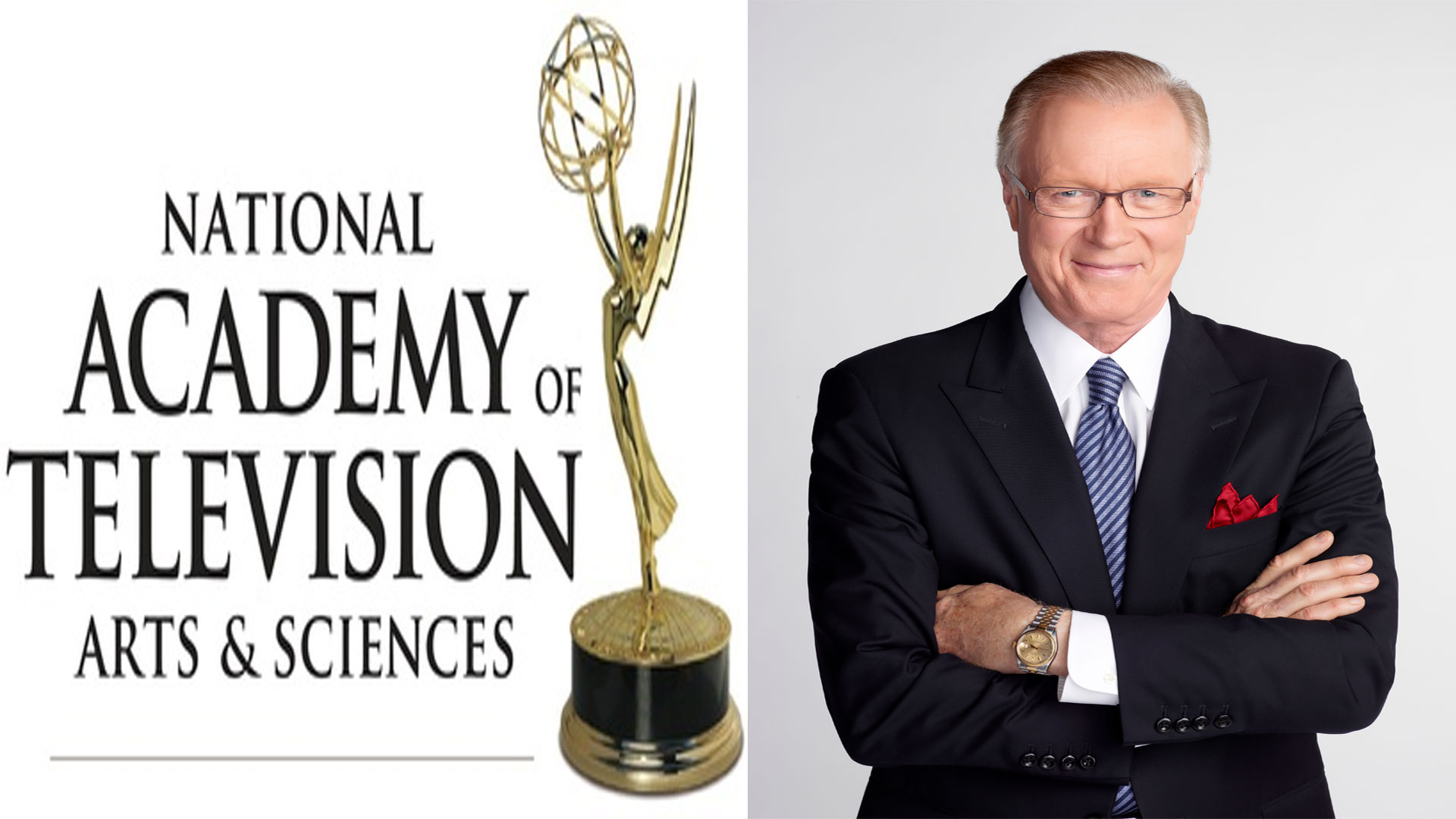 Chuck Scarborough (born November 4, 1943) is an American television journalist and author.